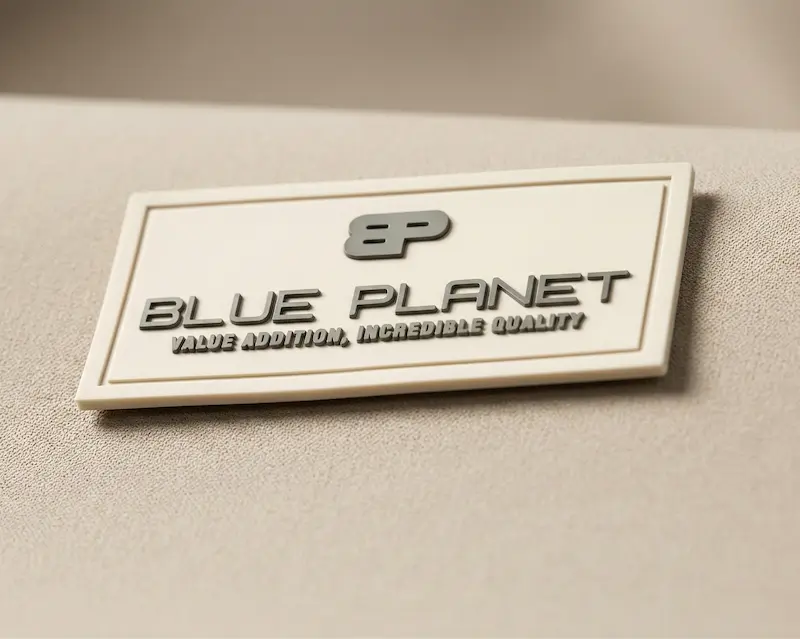
1. Understand Your Brand Identity Before Choosing Labels
Choosing the right garment label starts with understanding your brand identity. Every successful clothing brand has a clear personality — whether it is luxury, streetwear, sportswear, or budget fashion. Your label must align with this identity because it represents your brand in its most compact form.
For example, luxury brands prefer subtle and minimal woven labels that reflect sophistication, while streetwear brands often go for bold and eye-catching silicone or rubber patches. Similarly, sportswear brands focus on durability and flexibility, making printed or heat-transfer labels a better choice.
When your label matches your brand identity, it creates consistency across all products. This consistency is what builds brand recognition and trust over time.
- Luxury brands → Premium woven labels
- Streetwear → Bold silicone or PVC labels
- Sportswear → Durable heat transfer labels
- Budget brands → Simple printed labels
👉 If you're unsure about label options, explore this detailed guide: Types of Garment Labels Used in Clothing Industry
2. Choosing the Right Label Material for Maximum Impact
The material of your garment label plays a major role in both visual appeal and functionality. Different materials provide different textures, finishes, and durability levels, which directly impact how customers perceive your product.
Woven labels are widely used for premium and fashion brands because they offer a clean and elegant look. Silicone and rubber labels, on the other hand, provide a bold and modern feel, making them ideal for streetwear and sportswear collections.
PVC labels are highly durable and waterproof, making them suitable for outdoor or performance clothing. Printed labels are cost-effective and ideal for large-scale production where budget is a concern.
- Woven labels → Elegant, premium, long-lasting
- Silicone labels → Stylish, modern, 3D effect
- PVC labels → Rugged, waterproof, durable
- Printed labels → Affordable, flexible, scalable
Choosing the right material is not just about looks — it’s about aligning your product with customer expectations and usage.
👉 Read complete branding strategy here: Complete Guide to Custom Garment Labels
3. Focus on Durability and Long-Term Performance
Durability is one of the most critical factors when selecting a garment label. Your label should maintain its appearance even after multiple washes, stretching, and daily wear.
A damaged or faded label can negatively affect the perception of your brand. Customers often associate label quality with product quality, so investing in durable materials is essential for long-term success.
For example, activewear brands must choose labels that can withstand sweat, friction, and frequent washing. In contrast, luxury brands may focus more on aesthetics but still require long-lasting quality.
- Resistant to washing and fading
- Maintains color and texture over time
- Suitable for repeated use
- Enhances customer satisfaction
4. Design, Size, and Placement Strategy
A great label is not just about material — design and placement are equally important. A clean, well-designed label enhances your product’s overall look and makes your brand appear more professional.
Your label should include essential branding elements such as logo, typography, and colors. However, it’s important to keep the design simple and avoid clutter.
Placement also plays a crucial role. Labels can be placed on the neck, sleeve, hem, or even externally as a branding patch. Each placement creates a different visual impact.
- Neck labels → Brand identity & comfort
- Sleeve labels → Subtle branding
- Hem labels → Premium detailing
- External patches → Strong visual branding
👉 Get inspiration from trending designs: Top Garment Label Ideas
5. Balancing Budget with Branding Goals
Budget is an important factor, especially for startups and growing brands. However, choosing labels based only on cost can harm your brand image in the long run.
Instead, you should focus on value. Investing slightly more in high-quality labels can significantly improve your product presentation and customer perception.
Bulk production can reduce cost per piece, making premium labels more affordable at scale. Always consider long-term branding benefits rather than short-term savings.
- Plan according to production volume
- Invest in quality for better returns
- Avoid compromising branding for cost
6. Align Labels with Your Target Audience
Understanding your target audience is essential when choosing garment labels. Different audiences have different expectations in terms of design, comfort, and quality.
For example, younger audiences may prefer bold and trendy label designs, while premium customers expect subtle and elegant branding. Similarly, sportswear customers prioritize comfort and durability over aesthetics.
When your label matches your audience’s preferences, it enhances their overall experience and strengthens your brand connection.
- Identify your customer segment
- Match label style with audience preferences
- Focus on comfort and usability
7. Use Labels as a Branding and Marketing Tool
Garment labels are not just functional elements — they are powerful branding tools. Unlike advertisements, labels stay with the product for a long time, continuously promoting your brand.
You can use labels to include your website, social media handles, or even QR codes that direct customers to your online store.
This transforms your label into a long-term marketing asset that drives brand awareness and engagement.
- Promotes brand visibility
- Drives online traffic
- Strengthens brand recall
👉 Learn why labels are powerful: Why Custom Labels Are Important
8. Compliance and Information Labels
Apart from branding, garment labels also serve an important functional purpose — providing essential product information. This includes size, fabric composition, washing instructions, and country of origin.
Proper labeling ensures compliance with industry standards and improves customer satisfaction. Clear instructions help customers maintain the product properly, reducing complaints and returns.
- Include size and fabric details
- Add washing instructions
- Ensure legal compliance
9. Common Mistakes to Avoid When Choosing Labels
Many clothing brands make mistakes when selecting labels, which can negatively impact their branding and customer experience.
- Choosing labels based only on price
- Ignoring durability and quality
- Overcomplicating the design
- Inconsistent branding across products
- Wrong label placement
Avoiding these mistakes will help you create a strong and professional brand image.
Confused Which Label is Perfect for Your Brand?
Our experts will guide you based on your product type, audience, and budget.
Talk to Expert10. Final Thoughts: Choosing the Right Label for Long-Term Success
Choosing the right garment label is not just a design decision — it is a strategic branding decision. The right label enhances your product, builds trust, and creates a strong brand identity in the market.
By understanding your brand, selecting the right material, focusing on durability, and aligning with your audience, you can create labels that truly represent your business.
In today’s competitive fashion industry, small details make a big difference. And your label is one of the most powerful details that customers notice.
👉 For complete branding strategy: Read Full Garment Labels Guide
Conclusion
The right garment label can transform your clothing brand from ordinary to premium. It influences customer perception, builds trust, and supports long-term growth.
If you want to stand out in the market, invest in high-quality custom labels that reflect your brand identity and values. With the right approach, your label can become your strongest branding tool.
At Atam Graphics, we specialize in manufacturing premium custom garment labels tailored to your brand needs. Get in touch with us today and take your branding to the next level.